Small Group Coaching
Small Group Soccer Coaching: What It Is and Why It Works
Powergoal Academy · 04/01/2026
Small group soccer coaching blends individual feedback with realistic interaction. Discover how focused groups create more touches, better decisions and stronger confidence.
Understanding Small Group Soccer Coaching
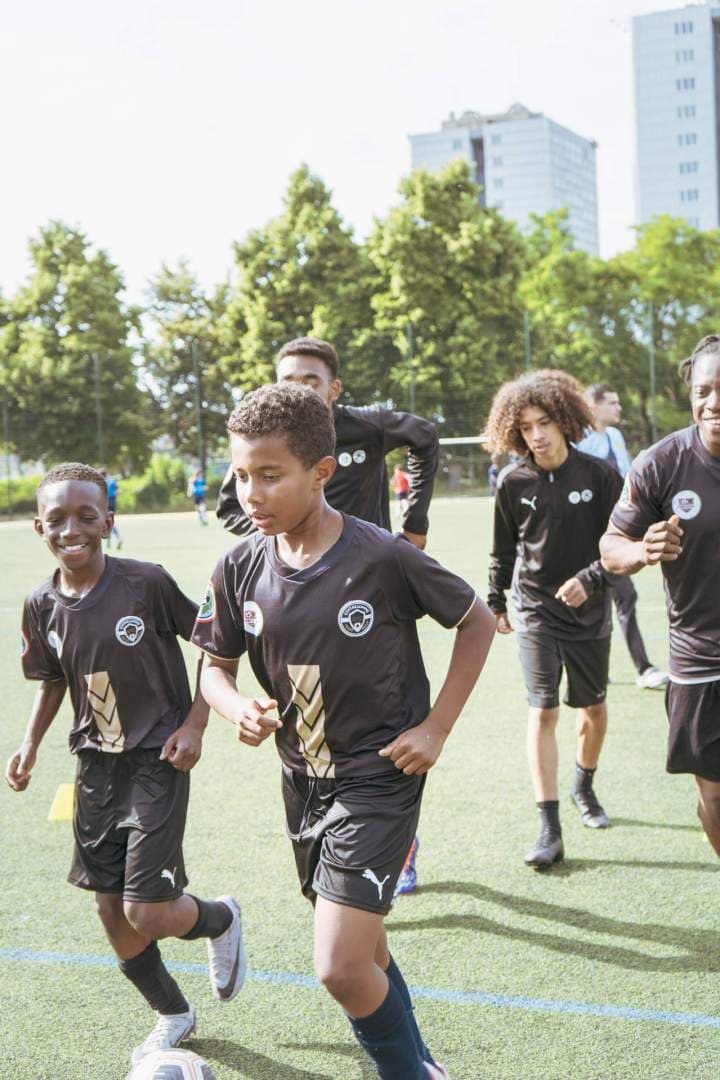
Small group soccer coaching usually brings four to eight players together. The coach can still observe each participant closely. Players also gain partners, opponents and realistic decisions. This balance sits between private training and a full team session.
The group should share a compatible age and development level. Activities can then challenge everyone without leaving anyone behind. Coaches may adapt distances, time limits or opposition for individual needs. Each adjustment keeps the learning goal consistent.
Why the Format Works
More Useful Repetitions
Smaller numbers reduce waiting and increase contact with the ball. Players repeat actions while receiving timely corrections. The coach can see whether technique holds under changing pressure. Frequent, purposeful repetitions support stronger habits.
Decisions with Real Teammates and Opponents
Football skills depend on timing, space and information. A partner or defender makes every action more realistic. Players scan, communicate and choose between passing, dribbling or shooting. These decisions are difficult to recreate alone.
Individual Feedback in a Social Setting
The coach can provide a personal cue without stopping the whole activity. Players then test that cue during the next repetition. They also observe how teammates solve the same problem. The group remains social, active and accountable.
Skills That Suit Small Groups
Passing combinations work well because every player stays involved. First-touch exercises can include direction, pressure and a next action. Finishing activities create frequent attempts from different angles. Small-sided games connect each technique to a tactical purpose.
Defensive topics also benefit from this format. Players can practise pressing angles, cover and recovery runs. Coaches can pause briefly to clarify spacing. The activity resumes before intensity and concentration disappear.
Choosing a Quality Program
Ask how the coach groups players and tracks progress. A quality program explains its session objective before the work begins. Activities should progress from simple patterns to game-like choices. Every participant should receive meaningful attention.
Look for clear safety standards and age-appropriate intensity. Players need enough challenge to concentrate, but not constant failure. Positive correction should remain specific and respectful. Enjoyment matters because engaged players practise with greater intent.
Making Progress Visible
Effective soccer coaching defines a small number of measurable goals. A player might track first-touch direction, passing accuracy or successful scans. Coaches can review these goals across several sessions. Families then see progress beyond goals scored on match day.
Small groups work best when attendance is consistent. Familiar players build trust and understand each other’s tendencies. The coach can gradually raise the complexity. Over time, focused practice becomes confident performance in team football.
Find the Right Small Group Session
See how Powergoal structures small group soccer coaching. For evidence-based session principles, explore FIFA’s game-based coaching guidance.